
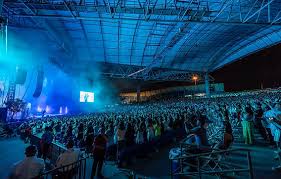
Music venues across America have witnessed countless legendary performances, but few locations boast the rich heritage and cultural significance of florida state fairgrounds amphitheatre. This iconic venue has transformed from humble beginnings into one of the Southeast’s premier entertainment destinations.
Early Beginnings and Construction
The amphitheatre’s story begins in the 1970s when Tampa’s entertainment landscape desperately needed a large-scale outdoor venue. Originally constructed as part of the Florida State Fairgrounds complex, the facility was designed to accommodate both fair events and year-round concerts. The initial capacity was set at approximately 8,000 seats, making it one of the larger outdoor venues in the region at the time.
Construction faced several challenges, including Florida’s unpredictable weather patterns and the need to create acoustically sound infrastructure. Engineers incorporated innovative drainage systems and weather-resistant materials that would prove essential for the venue’s longevity.
The Golden Years of Rock and Country
During the 1980s and 1990s, the amphitheatre experienced its golden era. Major touring acts discovered Tampa’s enthusiastic audiences, and the venue became a regular stop for national tours. The facility hosted genres ranging from rock and country to pop and alternative music.
Statistical data from this period shows remarkable growth in attendance figures. Annual concert attendance jumped from roughly 150,000 in the early 1980s to over 400,000 by the mid-1990s. This surge reflected both the venue’s growing reputation and Tampa Bay’s expanding population.
The amphitheatre’s unique design contributed significantly to its success. The covered pavilion protected audiences from Florida’s frequent afternoon thunderstorms, while the expansive lawn area allowed for increased capacity during popular shows. This flexibility proved crucial for accommodating varying crowd sizes.
Modern Renovations and Upgrades
The 2000s brought substantial renovations that modernized the facility while preserving its original character. Upgrades included enhanced sound systems, improved lighting capabilities, and expanded concession areas. The venue’s capacity was reconfigured to better serve contemporary touring requirements.
Recent years have seen the amphitheatre adapt to changing entertainment industry demands. Advanced booking systems, improved parking facilities, and enhanced security measures have kept the venue competitive in an increasingly crowded marketplace.
Cultural Impact and Community Connection
Beyond hosting major touring acts, the amphitheatre has served as a gathering place for Tampa Bay residents during significant cultural moments. The venue has hosted charity concerts, community festivals, and special events that have strengthened its bond with local audiences.
Looking Forward
Today’s amphitheatre continues evolving while honoring its four-decade legacy. As live music experiences remain central to American entertainment culture, this historic venue stands ready to create new memories for future generations of music lovers throughout the Southeast region.